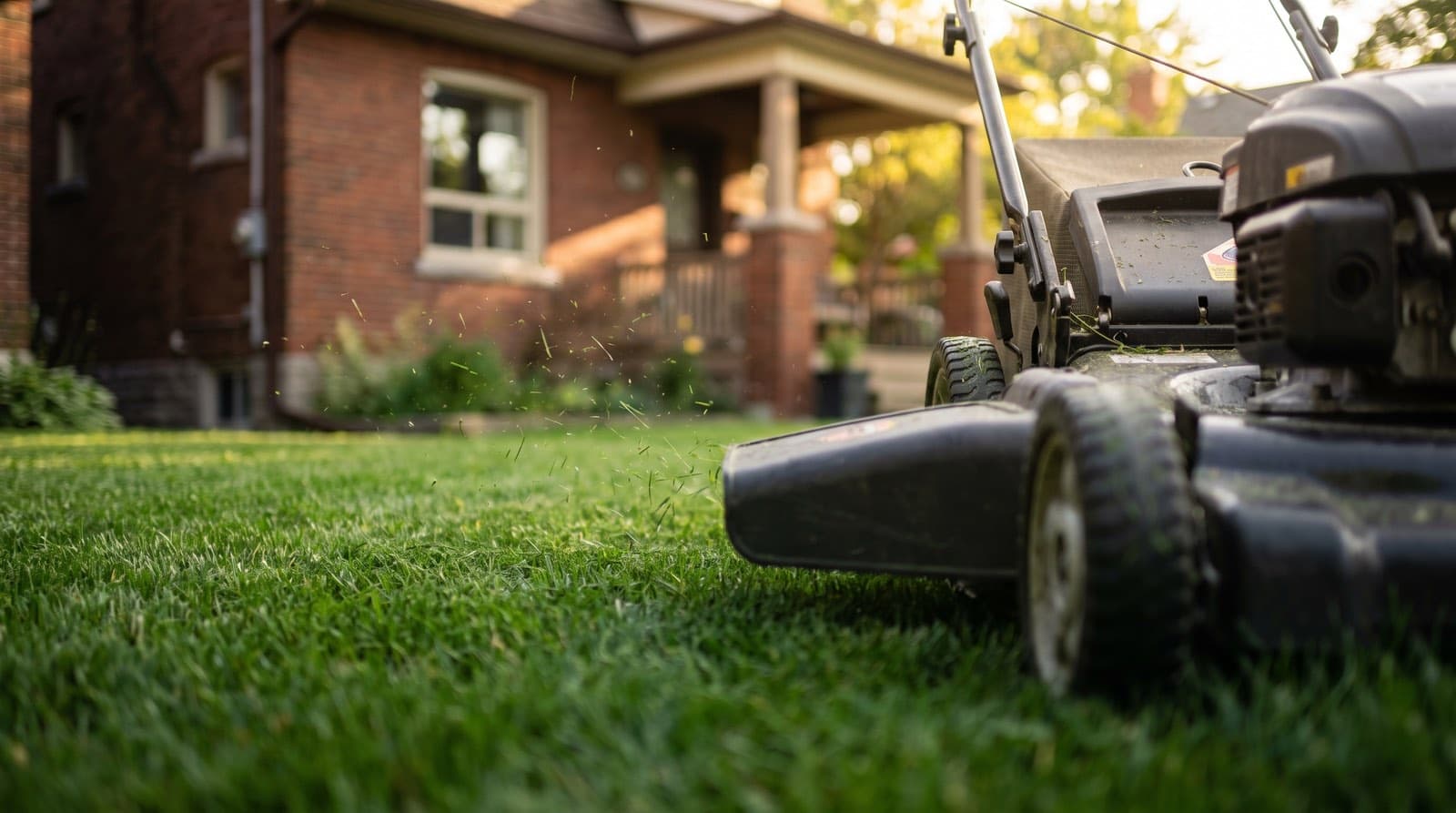
Answer First: Mulch your clippings, do not bag them. The City of Toronto recommends grasscycling, leaving clippings on the lawn, because they are about 90% water and return moisture and nutrients that cut your watering and fertilizer needs by roughly 30%. Clippings do not cause thatch, a persistent myth, because they break down fast (Michigan State University Extension). Bag only when the grass is badly overgrown, diseased, or gone to seed, and put any bagged clippings in kraft paper yard waste bags.
Every mow you bag, you are hauling away free lawn food and paying to replace it with fertilizer. The case for leaving clippings on the lawn is settled, and the only real question is the handful of times you should not.
What is grasscycling?
Grasscycling — leaving grass clippings on the lawn after mowing, instead of bagging them, so they decompose and feed the soil. The City of Toronto recommends it and notes clippings are 90% water, returning moisture to the lawn and reducing the need for watering and fertilizer by 30% (City of Toronto).
Any mower does it. A mulching blade cuts the clippings finer so they drop down into the turf and disappear faster, but a standard mower grasscycles perfectly well as long as you mow often enough that the clippings are short. That is the one requirement: short clippings settle in and break down, long clumps sit on top and smother.
Quotable: The City of Toronto recommends grasscycling because clippings are 90% water and cut watering and fertilizer needs by about 30%. Every bag you haul away is free lawn food you then pay to replace.
Should I bag or mulch my clippings?
Mulch, in almost every case. Leaving the clippings feeds the lawn and saves you inputs; bagging strips those nutrients off the lawn and adds work. The decision is that lopsided.
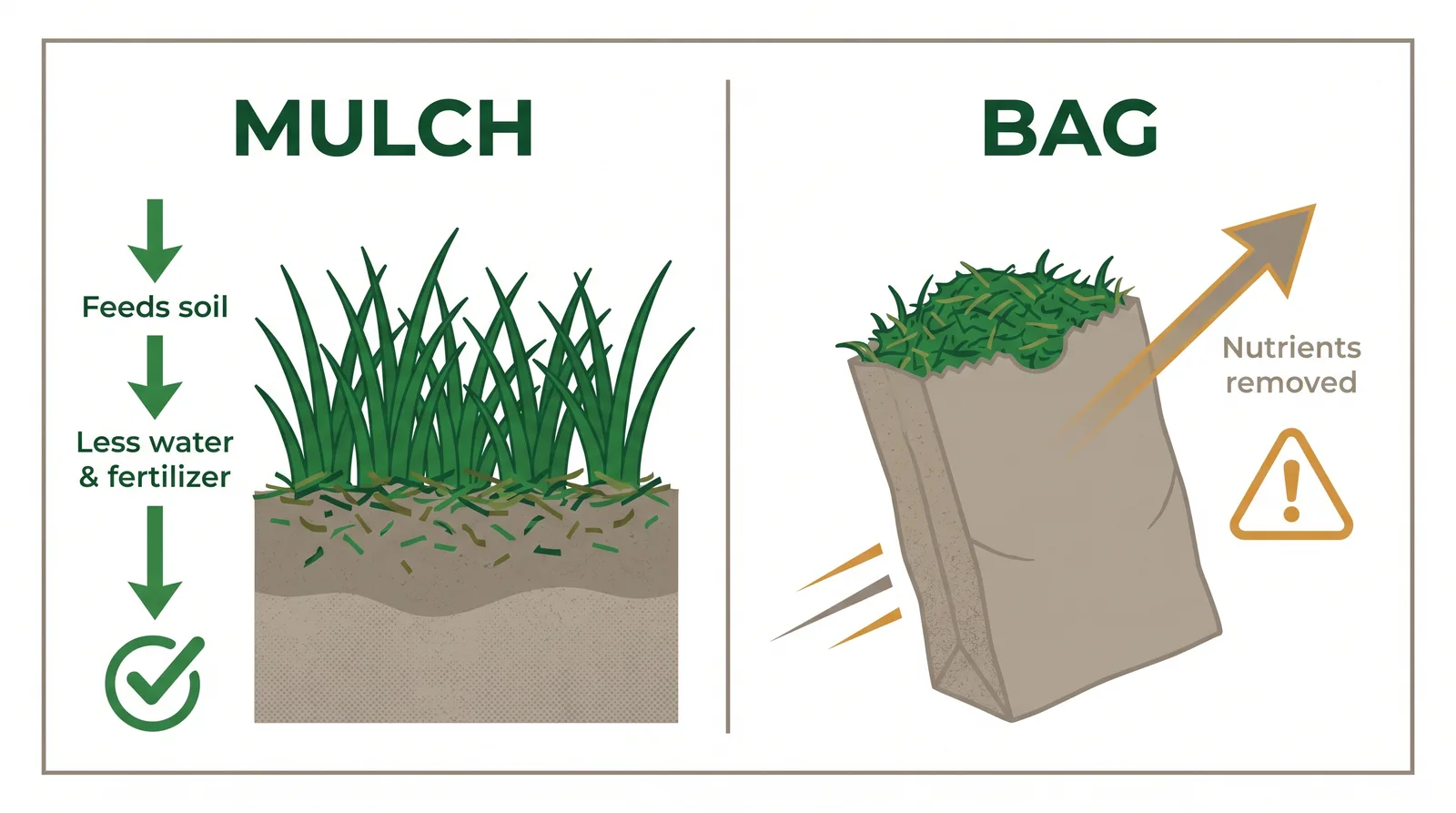
The nutrient math is concrete. As clippings decompose they release nitrogen back into the system, enough to reduce nitrogen applications by as much as one pound per 1,000 square feet per year (Michigan State University Extension). For a typical Toronto lawn that is a real slice of the annual feeding, handed back to you every time you mow.
Do grass clippings cause thatch?
No. This is the myth that keeps people bagging, and it is wrong. A common misconception is that clippings left on the lawn promote thatch buildup; this is not true, because clippings contain mostly water and break down rapidly (Michigan State University Extension).
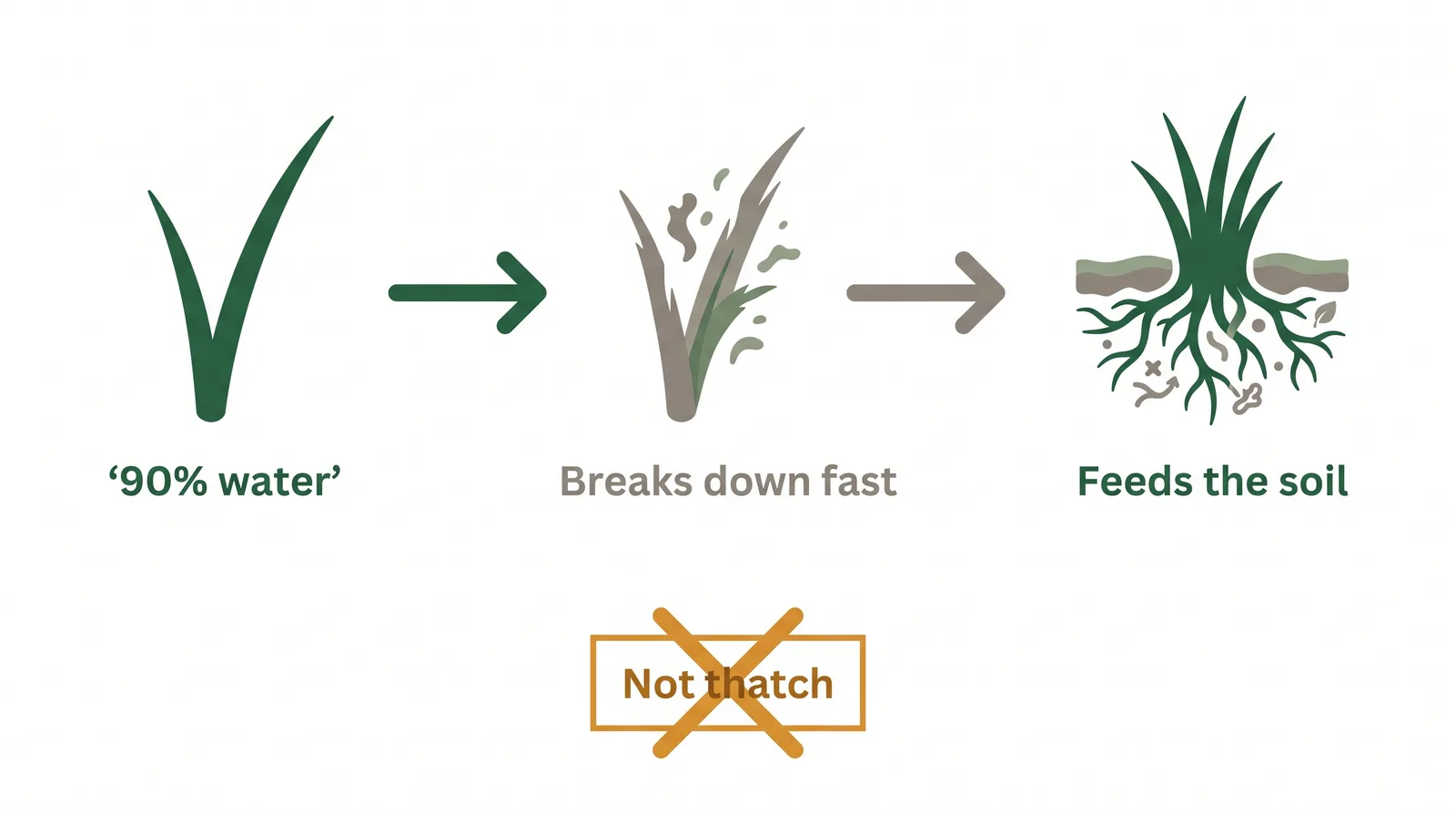
Thatch is a different material entirely, a layer of tough stems, roots and runners between the grass and the soil, not soft green clippings. If your lawn is genuinely spongy, the fix is dethatching, not bagging, and the two get confused constantly; the real story is in when to dethatch your lawn. You can grasscycle every single mow without touching a thatch problem.
From the data: Of the 249 lawn-care companies YardQuote tracks across the GTA (July 2026), 220 carry three or more reviews at an average of 4.75 stars, and many now mulch-mow by default rather than bag. It is faster for them and better for the lawn, which is why bag-and-haul is quietly disappearing from GTA service menus.
When should I bag instead?
There are three honest exceptions, and outside them you mulch.
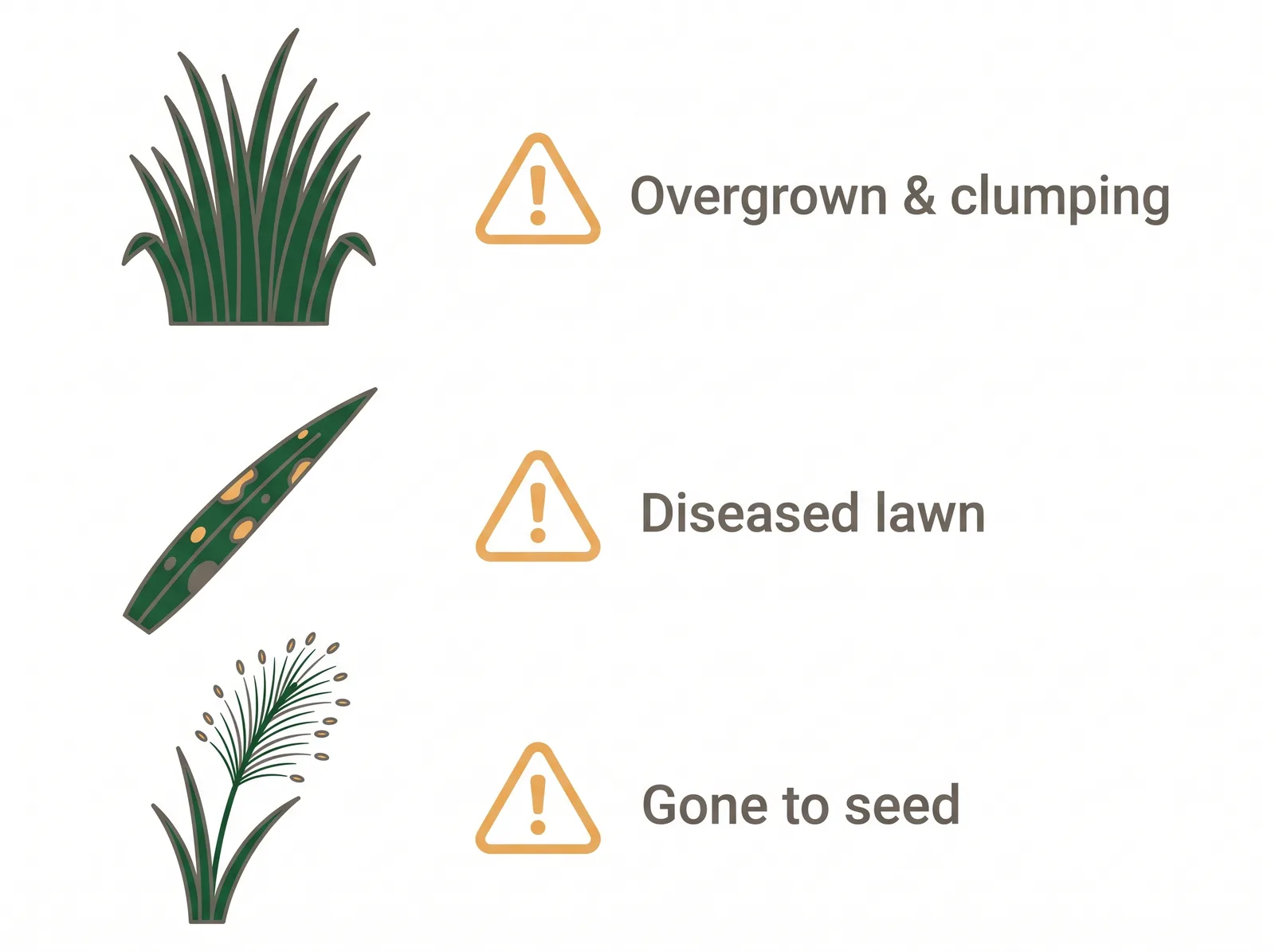
- The grass is overgrown. Long clippings fall in thick clumps that smother the lawn instead of settling in. If you skipped a few mows, bag that first cut, then go back to mulching.
- The lawn is diseased. Mulching can spread fungal disease across the lawn, so bag while you are treating an active problem.
- It has gone to seed with weeds. Clippings full of weed seed heads will replant them, so bag when weeds have seeded.
Keeping to the one-third mowing rule prevents the overgrown case entirely, since short clippings always mulch cleanly. When you do bag, Toronto rules are specific: put clippings in kraft paper yard waste bags and set them out on your regular garbage collection day, or compost them at home; plastic bags are not accepted (City of Toronto).
You can compare vetted mow-and-mulch crews on the Toronto lawn care cost page or in your area, such as lawn care in Etobicoke or Scarborough. Grasscycling also pairs with deep watering, since the returned moisture stretches each soak further, covered in the best time to water grass in Toronto.
Want a crew that mulches instead of bagging and hauling? Request a quote and compare up to three vetted local lawn-care pros side by side. Your contact details only go to the one you pick.